



Most of us focus on eating healthy, but we often overlook one important factor—the kitchen utensils and kitchen items we use every day. The material of your cookware and serveware can directly affect your food quality and overall health.
Many commonly used materials like plastic, aluminium, and low-grade steel may seem convenient, but they can have long-term effects on the body. Making a few informed changes can help you create a safer and healthier kitchen environment.
Plastic Kitchen Items: Why You Should Avoid Them
Plastic is widely used because it is lightweight and affordable, but it is not ideal for regular food use.
Concerns with plastic:
- Can release harmful chemicals, especially when exposed to heat
- May contain microplastics that enter the body
- Long-term use is linked to hormonal and digestive issues
Better alternatives:
- Use brass kitchen utensils for serving and eating
- Switch to copper vessels for storing drinking water
- Prefer traditional materials for daily meals
Aluminium Utensils: Not as Safe as They Seem
Aluminium cookware is commonly used, but it reacts with certain types of food.
Key issues:
- Reacts with acidic foods like tomatoes and lemon
- Can transfer small amounts of metal into food
- Does not provide any nutritional or health benefits
Recommended replacement:
- Use brass cooking utensils like kadhai, tawa, or handi
- Opt for traditional cookware that is stable and non-reactive
Steel Utensils: Safe but Limited Benefits
Stainless steel is a safer option compared to plastic and aluminium, but it is largely neutral.
Limitations:
- Does not enhance food quality
- Does not support digestion or overall health
- Lacks the benefits described in traditional practices like Ayurveda
Alternative:
- Incorporate brass kitchen utensils or a kansa dinner set for daily meals
Why Brass Kitchen Utensils Are a Better Choice
Brass kitchen utensils have been used in Indian households for generations. Their continued use is supported by both traditional knowledge and practical benefits.
Benefits of brass:
- Naturally resistant to bacteria
- Helps maintain hygiene while cooking and serving
- Durable and long-lasting
- Suitable for both cooking and dining
Common items include brass kadhai, tawa, thali sets, and glasses, which can be easily included in daily use.
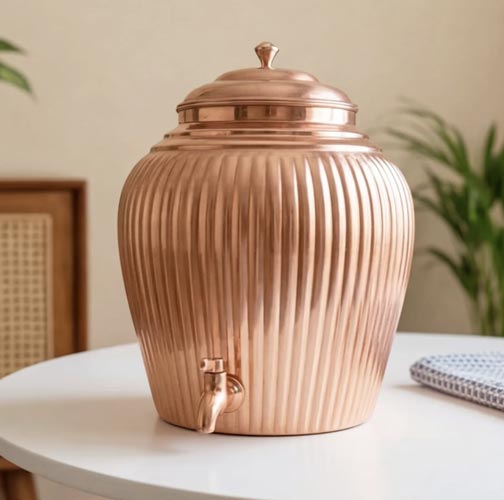
Copper Water Storage: A Simple Health Upgrade
Storing water in copper vessels is a traditional practice that is still relevant today.
Benefits of copper:
- Helps reduce harmful bacteria in water
- Supports digestion and metabolism
- Contributes to overall hydration quality
Switching from plastic bottles to copper containers is a simple and effective improvement.
Kansa Dinner Sets: A Traditional Approach to Eating
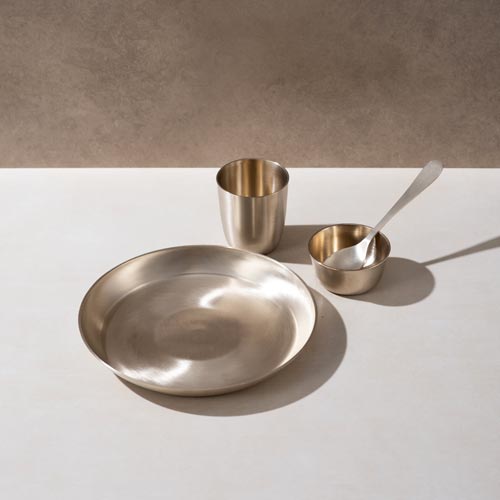
Kansa (bronze) utensils are known for their role in traditional Indian dining.
Benefits of kansa utensils:
- Helps balance acidity in the body
- Supports better digestion
- Encourages improved nutrient absorption
- Has natural anti-bacterial properties
Using a kansa dinner set for everyday meals is a practical way to incorporate these benefits into your routine.
Easy Changes You Can Start Today
You don’t need to completely change your kitchen overnight. Start with small steps:
- Replace plastic plates with brass or kansa options
- Use a copper vessel for drinking water
- Introduce one or two brass kitchen utensils for cooking
- Add a kansa bowl or plate for daily meals
These gradual changes can improve both the quality of your food and your overall well-being.
Final Thought
The materials used in your kitchen play an important role in your daily health. While modern kitchen items offer convenience, traditional materials like brass, copper, and kansa provide additional benefits that support long-term wellness.
Making informed choices about your kitchen utensils is a simple step toward a healthier lifestyle.
Read More: The Startup Capital on the Move: How Relocation Powers Bangalore’s Hustle Culture
